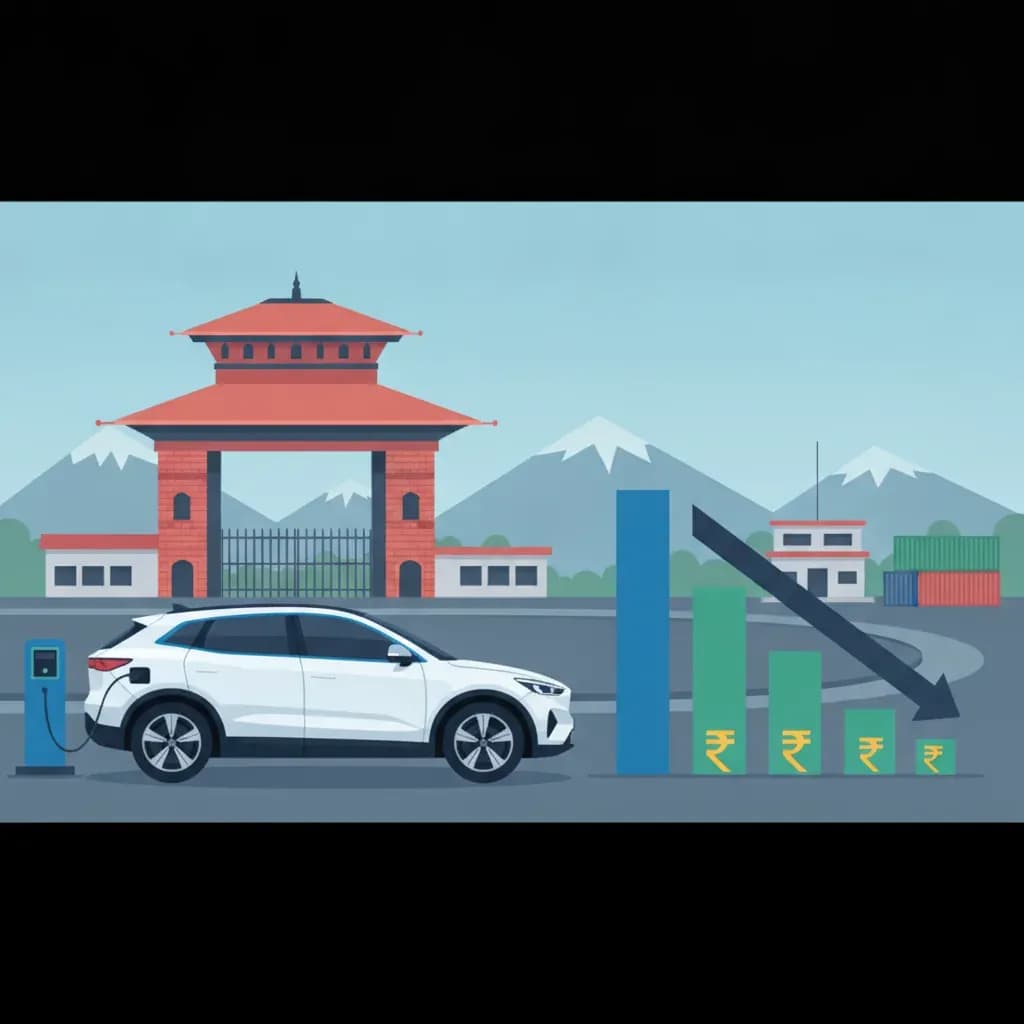
Nepal EV Imports Fell 20% in FY 2025/26: Full Report
EV imports in Nepal fell 20% in FY 2025/26 to 10,847 units worth Rs 25.56 billion. Full brand rankings, CIIF tax impact, and buyer advice inside.
Nepal's EV Import Reality Check: The FY 2025/26 Numbers Are In
Fiscal year 2025/26 just closed the books, and the customs data confirms what dealers along Kathmandu's Battisputali auto row have been murmuring for months: Nepal EV imports fell nearly 20 percent this year. Between mid-July 2025 and mid-July 2026, the country brought in 10,847 electric cars, SUVs, and vans worth Rs 25.56 billion, generating Rs 15.47 billion in government revenue. That's a sharp comedown from the record-setting pace of FY 2024/25, when Nepal briefly ranked as one of the world's fastest-growing EV import markets.
The headline number looks alarming, but the full picture — who's still selling, why demand cooled, and what it means if you're shopping for an EV in FY 2026/27 — is far more useful than a single statistic. Here's the breakdown.
The Year in Numbers
- 10,847 electric cars, SUVs, and vans imported — down roughly 20% year-on-year
- Rs 25.56 billion total import value
- Rs 15.47 billion in government revenue collected from EV imports alone
- EVs still accounted for roughly two out of every three passenger vehicles imported into Nepal this year
- 33 different EV brands shipped units into the country — though only 6 crossed the 500-unit mark
Why the Slowdown? Blame the Stockpile — and the New Tax
Two forces did the damage.
First, timing caught up with the market. Ahead of last year's budget announcement, importers rushed roughly 5,500 extra vehicles into the country on fears that taxes were about to rise. That pre-budget stockpile sat on showroom floors through most of FY 2025/26, meaning dealers had less reason to place fresh orders even as retail demand stayed reasonably healthy.
Second, the tax actually did rise — just later, and differently, than expected. In May 2026, Finance Minister Dr. Swarnim Wagle scrapped the decade-old motor-power (kW)-based excise system and replaced it with a Clean Infrastructure Investment Fee (CIIF) pegged to a vehicle's customs (CIF) value. Under the new structure:
- CIIF ranges from 2.5% to as high as 130%, scaled to the vehicle's declared value
- Customs duty is now a flat 20% across all EVs
- A 5% road construction fee and 13% VAT still apply on top
Who Won: The Best-Selling EVs of FY 2025/26
Despite the cooldown, three models did almost all of the heavy lifting.
| Rank | Model | Distributor | Units Imported | Why It Won |
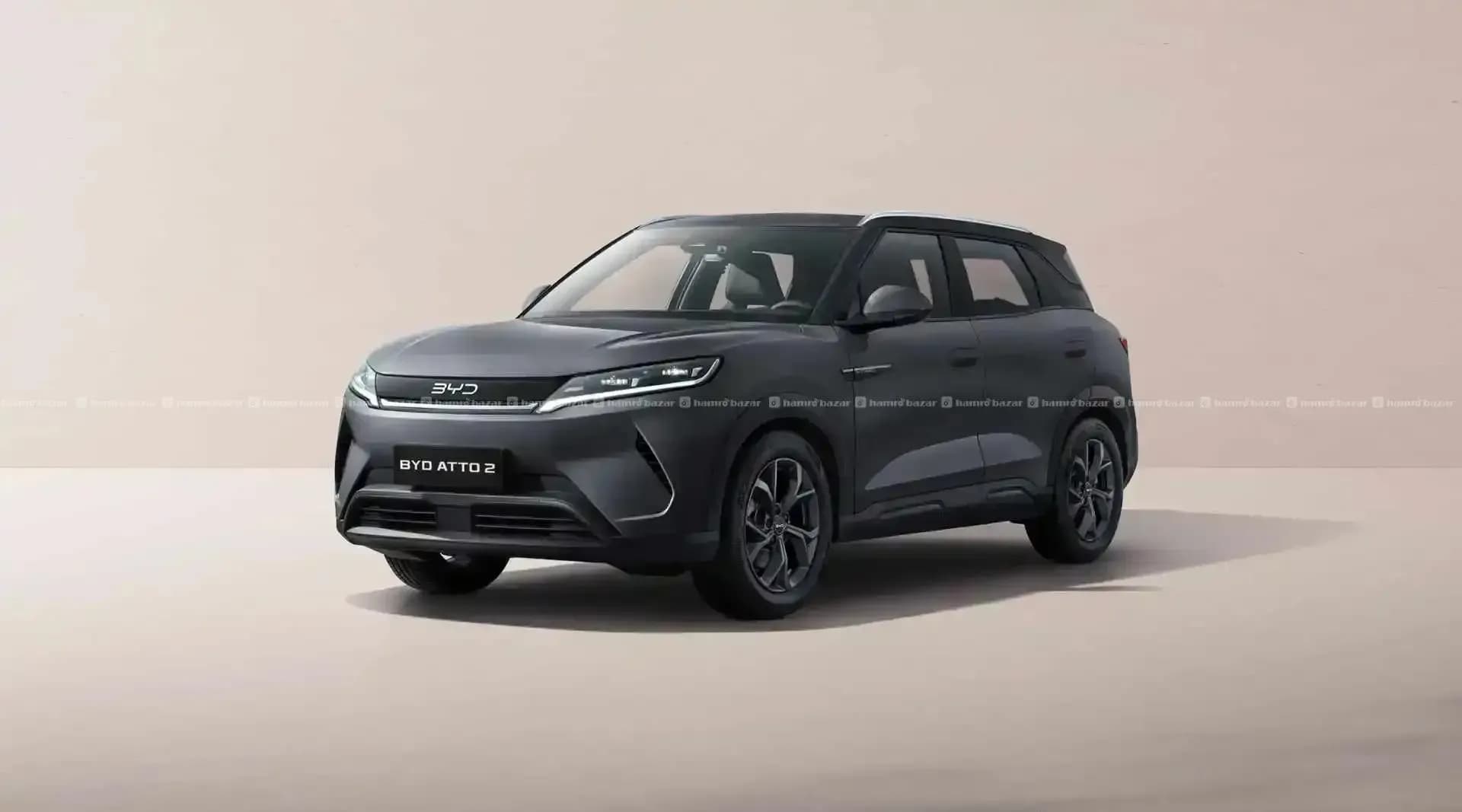
| 1 | BYD Atto 2 | Cimex Inc. | 2,264 | Sharp pricing, easy EMI plans, strong resale confidence |
| 2 | BYD Atto 1 | Cimex Inc. | 1,299 | Cheapest BYD in the lineup, city-first buyers |
| 3 | Tata Tigor EV | Sipradi Trading | 1,002 | Taxi and fleet demand, low running cost per km |
The Brand Battle: BYD's Grip Tightens, Everyone Else Fights for Scraps
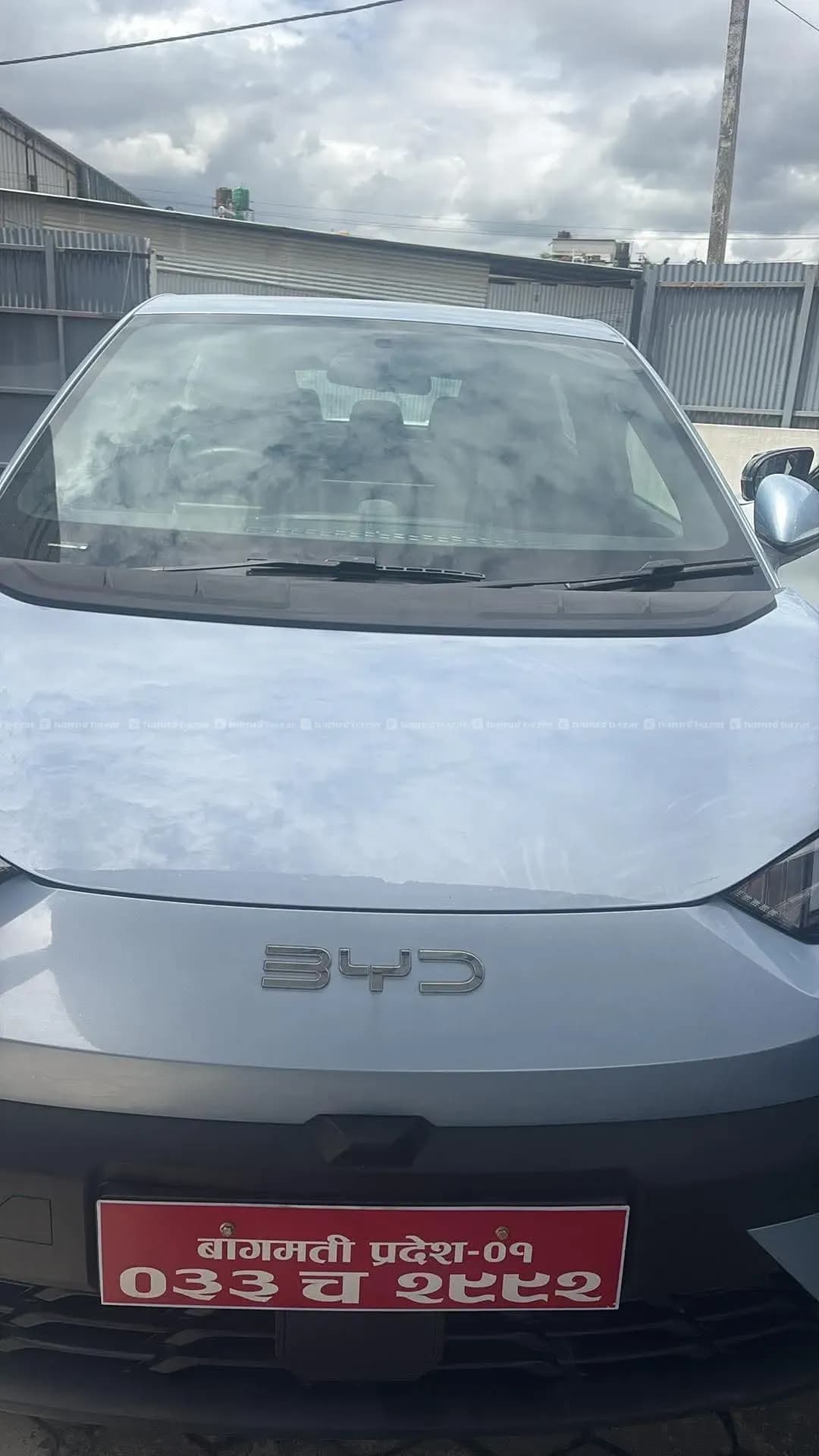
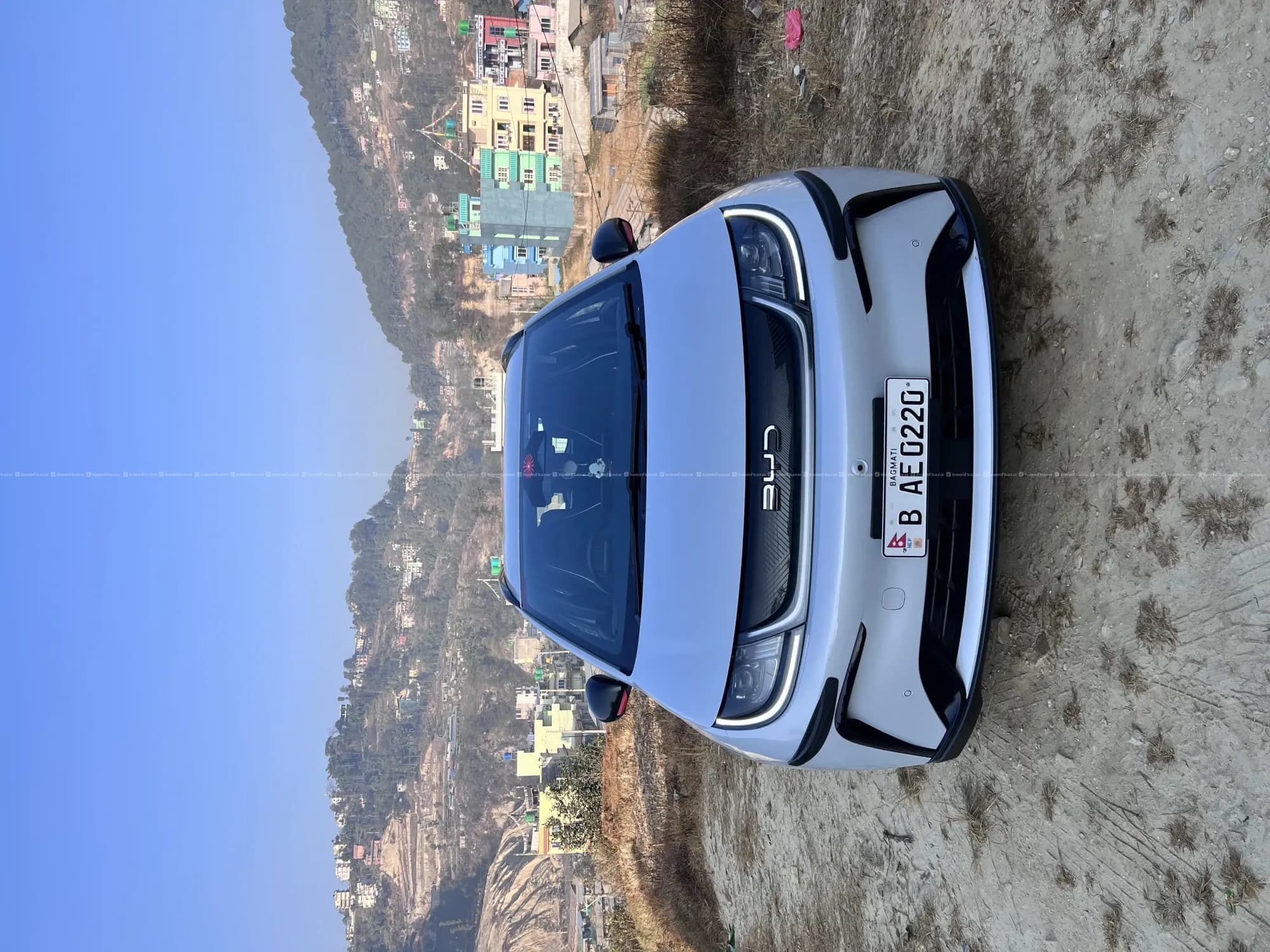
BYD alone brought in 4,270 EVs across its full lineup — nearly a third of every electric vehicle imported into Nepal this year. The rest of the market is thinly spread across 32 other brands:
| Tier | Brands | Approx. Volume |
| Dominant | BYD (4,270 combined) | 500+ units |
| Mid-volume | 11 brands, including Tata and MG | 100–499 units each |
| Niche | Dayun (48), GAC AION (35), Jinpeng (32), Henrey Voltas (30), Hyundai (26), XPENG (21), Tesla (17), BMW (10) | Under 50 units each |
| Testing the water | Kia, Audi, Avatr, Jaguar, BAW, Wuling, LEVC, JMEV | Under 10 units each |
What This Means If You're Buying in FY 2026/27
This is where most coverage of the import data stops. It shouldn't — the numbers only matter if they change what you do next.
- Budget and mid-range EVs are still the safest bet. Under the CIIF structure, lower-value vehicles sit in the lowest fee tier, so models in the Rs 20–45 lakh range (where BYD, Dongfeng, Leapmotor, and Tata all compete hard) stay relatively insulated from the new tax's worst effects.
- Premium SUVs will only get pricier. If you've been eyeing a flagship electric SUV, the CIIF's steep top tier means waiting rarely pays off — prices are more likely to climb than fall as the new fiscal year progresses.
- Leftover FY 2025/26 stock is your negotiating leverage. With importers sitting on unsold pre-budget inventory, this is a strong window to push for exchange bonuses, free insurance, and accessory bundles — similar to the discounting already seen on models like the Leapmotor B10 and Forthing Friday.
- Run the real numbers before you commit. The CIIF's value-based bands make manual price estimation unreliable. Use BijuliSawari's Subsidy & Tax Rebate Finder and TCO Dashboard to see a shortlisted vehicle's effective on-road price and multi-year running cost before you visit a showroom.
- Fleet and taxi buyers should watch the Tigor EV's momentum. Its third-place finish shows commercial buyers are still finding EVs cheaper to run than petrol — model your own daily distance and Kathmandu Valley terrain using BijuliSawari's Range Calculator to confirm the math holds for your route.
Charging Infrastructure Isn't Waiting Around
While vehicle imports cooled, the charging network kept expanding. NEA now operates dozens of DC fast chargers, and combined with ElectriVa, MAW Vriddhi, BYD, and Tata's own networks, Nepal has crossed roughly 490 public charging points nationwide — still short of the 10,000 stations experts say are needed for full-scale adoption, but growing steadily into Pokhara, Biratnagar, and Birgunj beyond the Kathmandu Valley core.
That gap between vehicle growth and charger growth is narrowing, not widening — good news for anyone worried that a slower import year means a step backward for Nepal's EV ecosystem.
The Bottom Line
A 20% dip in EV imports sounds like bad news, but read closely, FY 2025/26 was a correction, not a collapse. Two out of three passenger vehicles entering Nepal were still electric, BYD and Tata proved their volume models work at scale, and the new CIIF tax — while painful for premium buyers — was built to keep budget EVs accessible while funding the grid upgrades Nepal needs for the next phase of adoption.
If you're planning a purchase in FY 2026/27, don't just read the headline number — model your own numbers. Head to BijuliSawari's TCO Dashboard and Subsidy Finder to see exactly what any EV on this list will cost you after tax, financing, and five years of ownership, before a single showroom visit.